Choosing where to buy in Nairobi is as much about lifestyle as it is about price per acre. Each of the city's premium neighbourhoods has its own character, its own buyer, and its own trajectory. After more than a decade placing families and investors across these areas, we have learned that the right fit is rarely the obvious one.
This guide breaks down the neighbourhoods we are asked about most, so you can shortlist with confidence before you ever step out to view a property.
The right neighbourhood is not simply the most expensive one — it is the one whose character, security and growth trajectory match how you actually want to live.
Muthaiga and Gigiri: diplomatic calm.
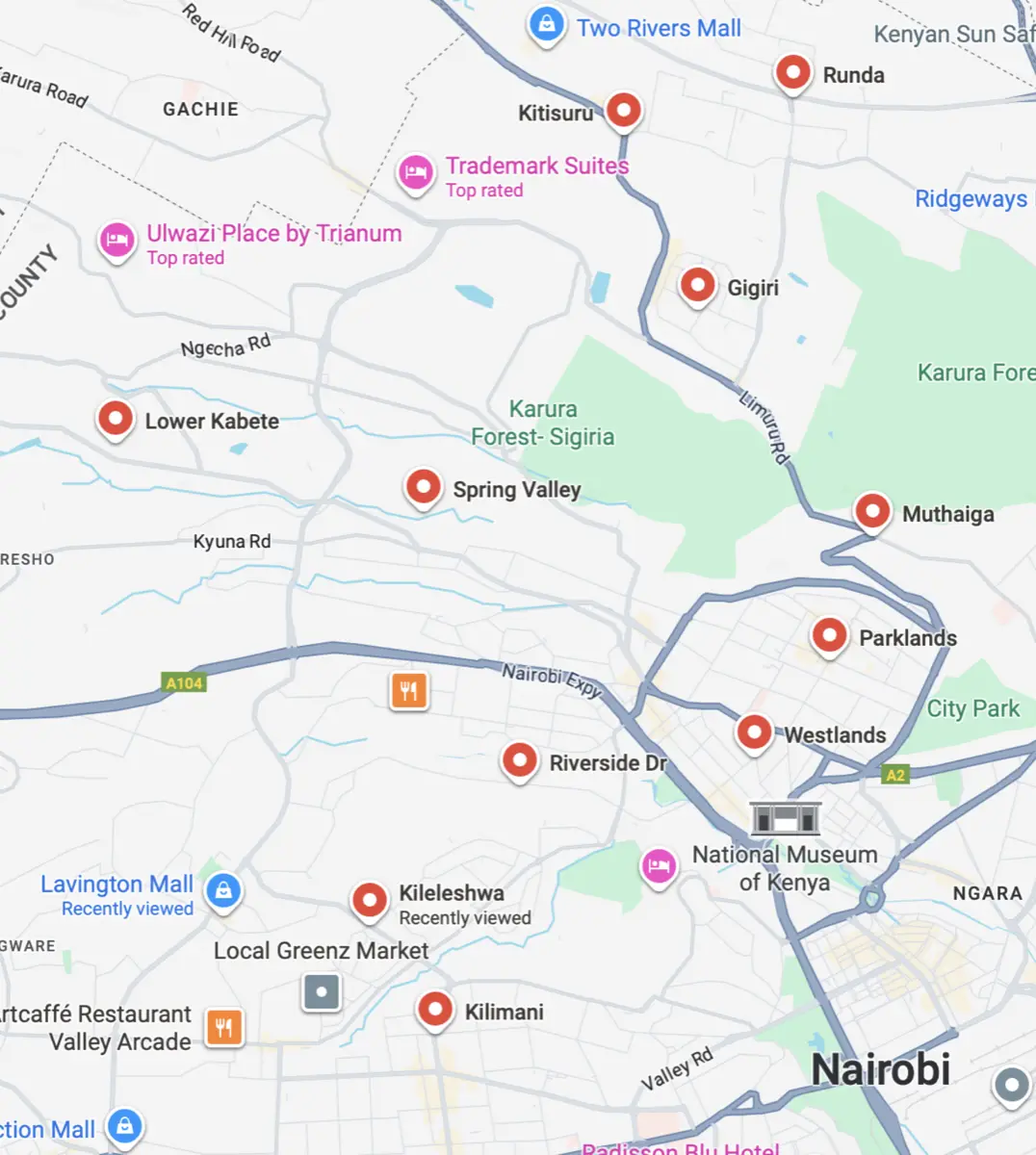
Muthaiga remains the quiet benchmark for old-money Nairobi. Large mature plots, tree-lined avenues and proximity to the diplomatic community give it a settled, private feel. Neighbouring Gigiri, home to the United Nations complex and numerous embassies, offers some of the city's best security infrastructure and a strong international tenant pool — which makes it a reliable choice for buy-to-let investors as well as owner-occupiers.
Runda, Kitisuru and Lower Kabete: gated and green
If you want a modern home in a controlled-access environment, this cluster is hard to beat. Runda's gated estates, generous half-acre plots and well-maintained roads have made it a perennial favourite for professionals and returning diaspora buyers. Kitisuru and Lower Kabete offer similar privacy with a slightly more rural edge and, often, better value per square metre.
Karen: space and heritage
Karen is Nairobi's answer to country living without leaving the city. Expect larger parcels, equestrian properties and a strong sense of community. It rewards buyers who value space and greenery over a short commute. Land here also carries genuine development potential, which is why we see both lifestyle buyers and long-term land bankers active in the area.
Kilimani, Kileleshwa and Westlands: the urban core
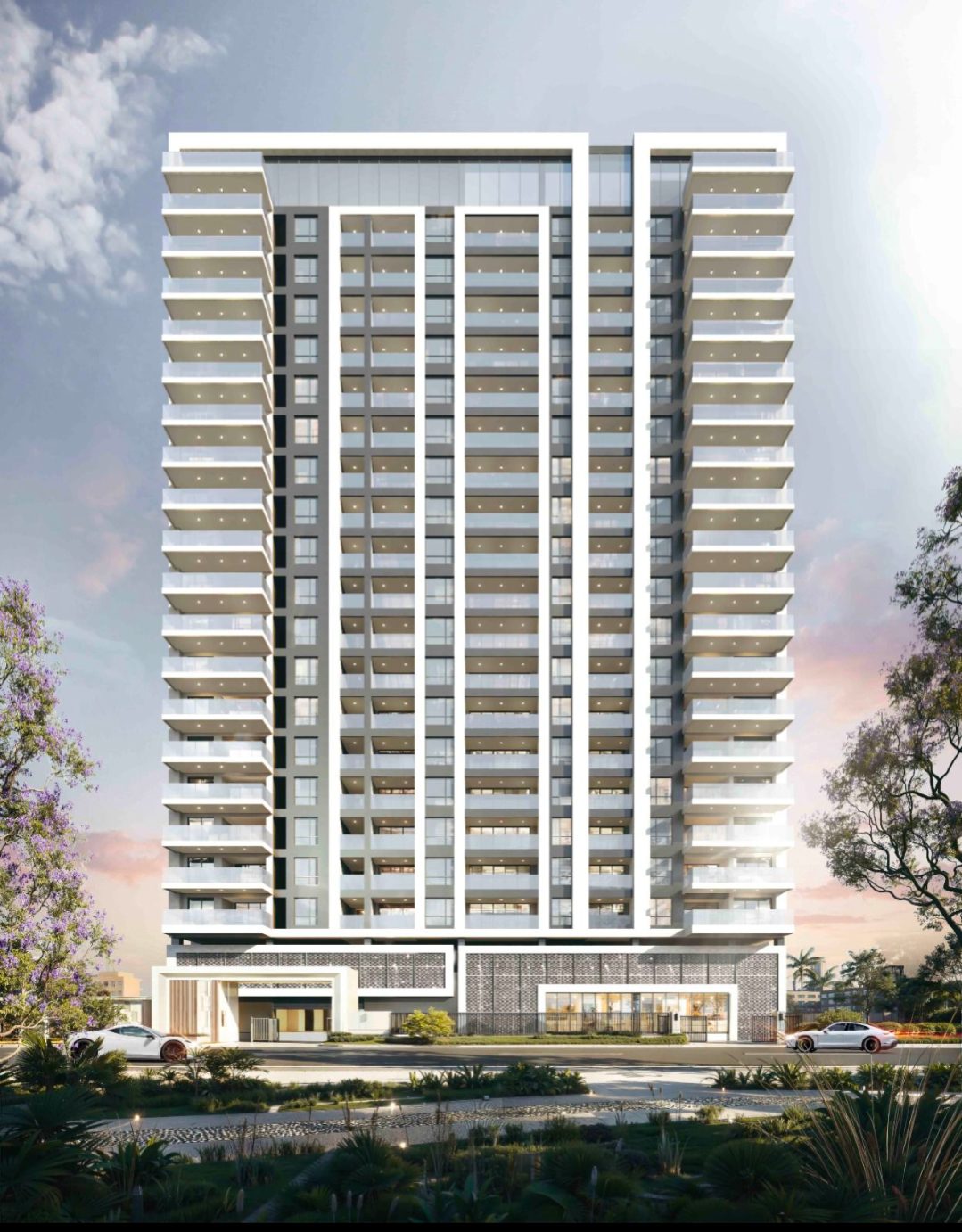
For those who want to be close to the action, the apartment corridors of Kilimani, Kileleshwa and Westlands deliver walkable access to offices, malls, restaurants and schools. Yields here tend to be stronger than in the leafy suburbs, and the deep rental market makes exit and re-letting straightforward. The trade-off is density — this is city living, not suburban calm.
How to shortlist
Before comparing individual listings, we encourage buyers to rank what matters most:
- Daily commute and school runs
- Security model — standalone compound versus gated community
- Plot size and whether you want future development potential
- Whether the purchase is primarily a home, an investment, or both
Once those priorities are clear, two or three neighbourhoods usually rise to the top and the search becomes far more focused.
Talk to someone who knows the streets
Market reports are useful, but nothing replaces current, street-level knowledge of which roads are appreciating, where new developments are planned, and which sellers are genuinely motivated. If you are weighing up a move, reach out — we are happy to walk you through the trade-offs for your specific situation.